

Auto Fuel System Service & Repair in Fresno, CA
Expert Fuel System Cleaning Services Available in Fresno
Most gasoline engines require a professional fuel system cleaning service every 20,000 to 30,000 miles, or whenever drivability symptoms like acceleration hesitation, rough idling, or declining gas mileage occur. Routine maintenance cleans harmful varnish and carbon deposits from fuel injectors and throttle bodies, maintaining precise fuel atomization and balanced air-fuel ratios. Following this interval prevents heavy accumulation before carbon restricts intake airflow or causes fuel delivery components to work under excessive stress.
While some automotive maintenance schedules vary, Ford service guidelines recommend inspecting fuel system components and cleaning fuel injectors periodically around the 30,000-mile mark. Older multi-port fuel injection systems operate at pressures between 40 to 65 PSI, spraying fuel into the intake runner where chemical detergents help keep intake valves clear. Modern direct-injection systems feed fuel directly into the combustion chamber under extreme pressures exceeding 2,000 PSI. Because fuel injection nozzles feature microscopic tolerance orifices, even tiny varnish deposits interrupt the precise misting required for clean combustion.
Operating conditions across the Central Valley can accelerate deposit formation inside fuel delivery lines. In agricultural communities around Selma, heavy seasonal dust, extended idling near farm equipment, and high ambient summer temperatures increase engine heat soak. When an engine shuts off after working hard in hot weather, stationary fuel inside hot injector tips evaporates, leaving behind solid chemical varnish. Over time, these thin varnish layers build up, narrowing the fuel passage and changing the spray trajectory.
Checking fuel delivery health during regular oil changes and vehicle inspections keeps your powertrain running efficiently. When you bring your vehicle to our service center location on Auto Center Drive, our factory-trained technicians evaluate engine computer diagnostics and fuel trim data to catch delivery restrictions early. Combining fuel maintenance with routine brake maintenance and chassis inspections allows our team to address all critical preventive care in a single visit. If you notice sluggish performance during daily driving, give our service desk a quick call at 877-621-1084 to review your maintenance schedule.
Fuel System Service Overview
- What Are the Main Symptoms of a Clogged Fuel System and Low MPG?
- How Do You Know If You Need Professional Fuel Injection Cleaning or a Repair?
- Does Fuel System Maintenance Help Pass California Smog Checks and Protect Warranties?
- Common Questions About Fuel System Maintenance
- Maintain Peak Engine Efficiency with Factory-Trained Service
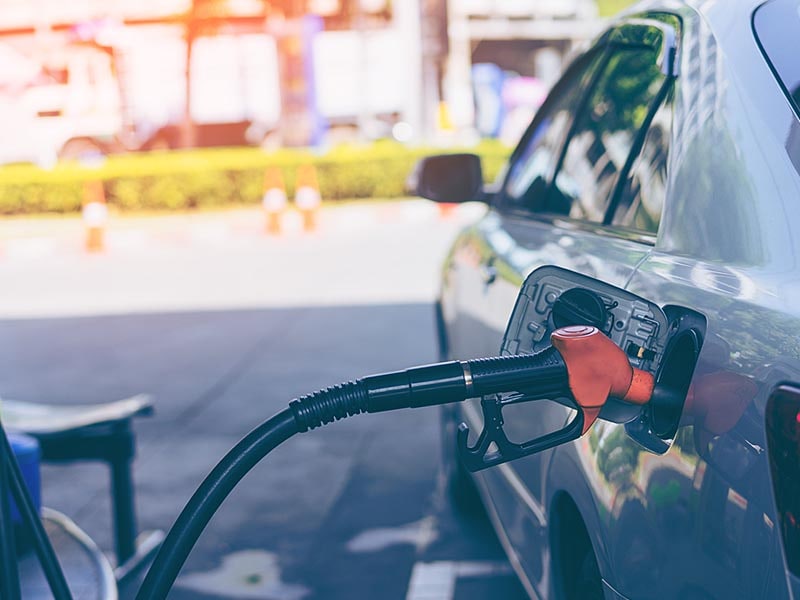
What Are the Main Symptoms of a Clogged Fuel System and Low MPG?
A clogged fuel system decreases gas mileage because restricted injector nozzles spray solid droplets instead of a fine fuel mist, causing incomplete combustion that forces the engine control module to burn extra fuel to maintain power. Primary symptoms of a contaminated fuel system include sluggish throttle response, engine misfires under load, erratic idle speeds, extended cranking times during engine startup, and Check Engine Light illumination triggered by lean air-fuel mixture codes.
When fuel injectors operate properly, they mist pressurized gas into tiny vaporized particles that mix uniformly with incoming air. If varnish clogs the injector tip, the spray pattern turns into an uneven stream. Larger fuel droplets do not mix cleanly with oxygen, leaving unburned fuel in the combustion chamber. The vehicle's oxygen sensors detect uncombusted oxygen in the exhaust stream, interpreting it as a lean fuel condition. In response, the powertrain control module opens the injectors longer, consuming significantly more fuel while producing less horsepower.
A restricted fuel filter adds mechanical strain to the entire delivery system. In modern vehicles, fuel pumps sit inside the fuel tank, cooled and lubricated by the liquid fuel surrounding them. When a fuel filter becomes clogged with rust, dirt, or tank sediment, the electric fuel pump must push against high backpressure to maintain system pressure. This added resistance causes the electric fuel pump motor to draw higher current and generate excess internal heat. During hot summer commutes through Madera, high ambient heat combined with severe filter restriction can overheat the pump, leading to sudden pressure drops, engine stumbling on highway ramps, and premature pump failure.
Common physical symptoms of fuel delivery issues show up progressively before total failure occurs:
- Engine hesitation or stumbling when pressing the accelerator pedal to pass or climb inclines
- Rough, vibrating idle quality when stopped in traffic or idling with the air conditioning on
- Extended starter cranking time before the engine fires during cold morning starts
- Noticeable drops in overall fuel economy over consecutive fill-ups
- Diagnostic trouble codes indicating lean air-fuel conditions, such as P0171 or P0174
How Do You Know If You Need Professional Fuel Injection Cleaning or a Repair?
Determining whether a vehicle needs professional fuel injection cleaning or a mechanical fuel repair depends on whether drivability issues stem from chemical deposit accumulation or physical component failure. Computerized diagnostic scans showing elevated positive fuel trims or minor misfire counts across multiple cylinders respond well to chemical pressure cleaning, whereas zero system fuel pressure, leaking fuel injectors, or electrical pump failures require physical component replacement.
Over-the-counter pour-in fuel additives dumped into the gas tank can help maintain relatively clean injectors, but they rarely resolve severe injector clogs or carbon buildup. Tank additives are diluted into 15 gallons or more of gasoline, resulting in a weak chemical solvent concentration by the time the liquid reaches the engine. Furthermore, pour-in additives travel strictly through the fuel lines, meaning they cannot reach or clean intake valve carbon in direct-injection engines where fuel never touches the back of the intake valves.
Professional fuel injection cleaning utilizes specialized equipment that hooks directly to the engine's fuel rail or intake tract. Technicians disable the vehicle's onboard fuel pump and run the engine directly on a highly concentrated detergent blend delivered under high operating pressure. This pressurized chemical flush dissolves hardened varnish from injector tips and flushes chemical deposits out of the combustion chamber. For direct-injection engines with severe intake valve crusting, certified technicians perform specialized intake manifold cleaning to restore lost intake airflow.
Ignoring intake valve carbon buildup on direct-injection engines leads to serious internal engine damage over time. As carbon builds up along the intake valve stems and seats, it acts like a sponge, absorbing fuel before it reaches the cylinder. Eventually, heavy carbon deposits prevent the intake valves from seating completely flush against the cylinder head. Unseated valves cause compression loss, steady engine misfires, and localized hotspots that can burn the valve edges, resulting in costly cylinder head repairs.
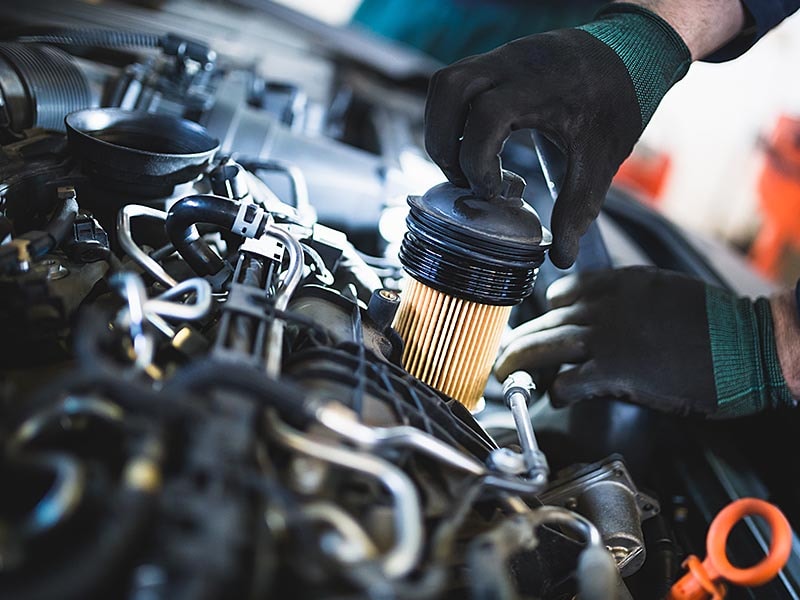
When experienced mechanics evaluate fuel delivery issues, they connect diagnostic scan tools to check real-time fuel pressure and fuel trim percentages. If you notice persistent acceleration flat spots or engine roughness, scheduling a diagnostic service appointment online gives our factory-trained technicians the opportunity to test your system pressure. When replacement components are necessary, our service department relies on ordering genuine Ford fuel filters and components to match factory engineering standards.
Does Fuel System Maintenance Help Pass California Smog Checks and Protect Warranties?
Routine fuel system maintenance directly supports California Smog Check compliance by ensuring clean fuel combustion, reducing tailpipe hydrocarbon emissions, and preventing lean diagnostic trouble codes that trigger automatic smog inspection failures. While routine fuel cleaning services are classified as owner maintenance responsibilities and are not covered under standard manufacturer powertrain warranties, keeping injectors clean protects secondary exhaust components like catalytic converters that carry long-term emissions warranty coverage.
California requires biennial Smog Checks for passenger vehicles operating in Fresno County. During a smog test, official inspection equipment reads the vehicle's onboard diagnostic system for active or pending error codes and verifies that all engine monitors are set. Clogged injectors often set lean air-fuel mixture codes or cylinder misfire codes that illuminate the Check Engine Light, causing an instant smog failure. Furthermore, unburned fuel entering the exhaust stream raises hydrocarbon levels, which can overheat and melt the delicate internal substrate of the catalytic converter.
Standard powertrain warranties cover mechanical defects in internal engine components, transmission parts, and drivability assemblies, but they explicitly exclude routine maintenance services like deposit removal, filter changes, and fluid flushes. However, if dirty fuel injectors cause severe engine misfires that ultimately melt a catalytic converter, warranty coverage for the converter may be denied if service records show long-term maintenance neglect. Documenting regular fuel system care protects your vehicle's mechanical health while maintaining complete service compliance records.
Common Questions About Fuel System Maintenance
Q: Can pour-in gas tank additives solve severe fuel injector clogs?
Over-the-counter pour-in additives cannot solve severe fuel injector clogs because they become diluted in a full tank of gasoline, rendering the solvent concentration too weak to dissolve hardened varnish. While bottle additives help maintain clean injectors between service intervals, heavily restricted injectors require professional pressure-flushing tools that feed concentrated cleaning solvents directly into the fuel rail at full operational pressure.
Q: Can a clogged fuel filter damage the electric fuel pump over time?
A clogged fuel filter directly damages the electric fuel pump by restricting fuel flow and forcing the pump motor to operate against high internal backpressure. Electric fuel pumps rely on continuous fuel flow through the pump housing for internal cooling and lubrication. When filter restriction cuts off adequate flow, the pump motor draws excessive electric current, overheats, and suffers accelerated mechanical wear.
Q: Does stop-and-go city driving require more frequent fuel system cleaning?
Stop-and-go city driving requires more frequent fuel system cleaning because short trips and low-speed commuting prevent the engine from reaching sustained operating temperatures. Frequent engine heat cycles combined with extended idling cause unburned fuel vapors to condense on injector tips and intake valves, forming chemical varnish and carbon deposits much faster than steady highway driving.
Q: Why do direct-injection engines accumulate carbon on intake valves?
Direct-injection engines accumulate carbon on intake valves because fuel is sprayed directly into the combustion chamber rather than into the intake tract. In traditional port-injected engines, gasoline continuously washes over the back of the intake valves, keeping them clean. Without fuel washing over the valves in direct-injection designs, oil vapors from the crankcase ventilation system bake onto the hot intake valves, creating hard carbon crust.
Q: Will a fuel system cleaning fix an active Check Engine Light?
A fuel system cleaning will fix an active Check Engine Light if the underlying diagnostic trouble code was caused by dirty fuel injectors, minor misfires, or lean air-fuel ratio errors like P0171. If the light was triggered by a failed sensor, a bad fuel pump, or a vacuum leak, the physical part must be repaired or replaced before the engine computer will clear the code.
If you ever have questions regarding upcoming inspection intervals or diagnostic indicators, stop by after finding our Fresno dealership address on Auto Center Drive or reach our main service desk directly at 877-621-1084.
Maintain Peak Engine Efficiency with Factory-Trained Service
Keeping your fuel system clean is one of the most effective ways to preserve gas mileage, maintain sharp throttle response, and avoid costly emissions failures. From clearing microscopic varnish on injector tips to inspecting high-pressure direct-injection lines, regular maintenance keeps your vehicle performing at factory standards through every Central Valley season.
Our service department features factory-certified technicians, specialized diagnostic equipment, and genuine OEM parts designed specifically for your vehicle. Whether you are addressing recent hesitation on acceleration or staying ahead of your 30,000-mile maintenance milestone, our team delivers complete care for your powertrain. Reach out to our advisors today to reserve your next service appointment and enjoy efficient, reliable driving every time you take the wheel.
© 2026 Lithia Ford of Fresno. All rights reserved.
*All mileage is EPA estimated.
Contact Us About Fuel System Service Today!
* Indicates a required field
Contact
Lithia Ford of Fresno
195 East Auto Center Drive
Fresno, CA 93710
- Sales: 877-621-1084
- Service: 877-621-1085
- Parts: 877-621-1221
Hours
- Monday8:30am-8pm
- Tuesday8:30am-8pm
- Wednesday8:30am-8pm
- Thursday8:30am-8pm
- Friday8:30am-8pm
- Saturday8:30am-8pm
- Sunday10am-6pm